
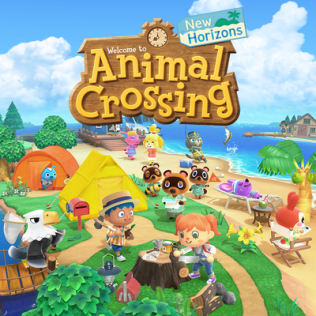
After its 2020 release, Animal Crossing: New Horizons became a cultural phenomenon rather than just an entertaining life-simulation game. Its beautiful islands attracted players seeking solace, inspiration, and camaraderie. However, Stuart Hall’s Encoding/Decoding approach and the idea of affordances allow us to decipher the fascinating interplay of design, power, and human agency that lurks underneath its endearing exterior.
Encoding/Decoding Meets Affordances
Hall’s model says that media creators build messages with certain meanings, but audiences don’t always take them as intended. People interpret these messages in three different ways – they might agree completely (dominant), partly agree but tweak things (negotiated), or reject them completely (oppositional).
The same idea applies to interactive tech as well. Designers bake in “affordances” i.e. features that suggest what you can do. In Animal Crossing, Nintendo imagines a cozy, peaceful life – decorating homes, making friends with villagers, and enjoying simple routines. These are the intended actions. However, players don’t always follow these intended actions. They interpret these affordances differently, sometimes they embrace Nintendo’s vision, sometimes bend the rules, and sometimes flip the whole idea on its head!
Dominant Uses: Cozy Conformity
Have you ever spent hours arranging virtual furniture or agonizing over the perfect island layout? If you have indeed, you’re living Nintendo’s dream! A dominant reading of Animal Crossing means fully accepting Nintendo’s cozy vision – creating a perfect picture of an islands, trading turnips like a pro, and sharing dream codes with friends. The game’s design encourages creativity, but within soft boundaries. Seasonal events, social visits, and the crafting system all come together to create a harmonious, consumer-friendly world. In this space, the designer’s imagination and the player’s goals align beautifully.
Negotiated Uses: Hacks and Workarounds
Negotiated readings pop up when players decide to bend the rules instead of breaking them. For example, take time-traveling by tweaking the console clock; players can skip the slow grind and leap ahead in the game. Nintendo does not like this, but doesn’t protest by shutting it down, thus leaving a tempting gray zone of player freedom. Then there’s the creative chaos of reshaping or the sneaky thrill of item duplication glitches. These moves show how players negotiate between Nintendo’s intended play and their own personal goals – a mix in harmony and rebellion!
Oppositional Uses: Islands of Protest
Oppositional readings are where players throw away the rulebook and turn the game into something completely different. During global lockdowns, Animal Crossing wasn’t just about fishing and decorating, it became a platform for political rallies and social movements. Islands of protest emerged with handmade signs and slogans, challenging the game’s quiet, apolitical feel. Players took features that were never meant for activism like custom design and transformed them into tools of resistance. It was creativity with a rebellious twist!
Why It Matters
These player practices show that interactive media is never neutral. Nintendo doesn’t just give you a dreamy island, it embeds a capitalist dream of debt repayment (thanks, Tom Nook!) and the idea of endless consumption. But players don’t just accept that script, they decode, remix, and reimagine those percepts in their own ways. When we combine Hall’s model with affordance theory, we see something immensely powerful. Digital spaces provide a stage for collision of control and creativity. Every island tells a story, not just of a design, but of many negotiations, many protests, and creativity.
Conclusion
Animal Crossing: New Horizons isn’t just a game; it’s a cultural text. Here Nintendo’s intentions meet the creativity and so if I may say, mischief of its players. Understanding this push and pull helps us see how interactive media provides a great stage for acceptance, negotiation and protest. The politics of play aren’t abstract, they’re built into every dream shared between friends, the cozy island design, and every act of rebellion!
References
Encoding and decoding affordances: Stuart Hall and interactive media technologies by Adrienne Shaw
https://en.wikipedia.org/wiki/Animal_Crossing:_New_Horizons


In your post you show a very clear understanding of Stuart Hall’s theory of Encoding and Decoding. It is also really interesting how you talk about the three different ways people interpret these messages in the media, and I really like how you made the link between Hall’s theory and the story/game play of Animal Crossing and how players don’t always follow the game rules. And it was really interesting how you talk about how Nintendo made animal crossing as not just a cute game with lots of different islands you can go to but they also embedded the capitalist dream of debt repayment.
I love this so much. I’m a really big Animal Crossing fan! It’s cool to show that the island can be seen in different ways, depending on who’s playing it. Your point about the game hiding itself in a capitalist script is really important and interesting! There is so much “improvement” to be made within it and that the game ultimately builds values and norms about work and play.