

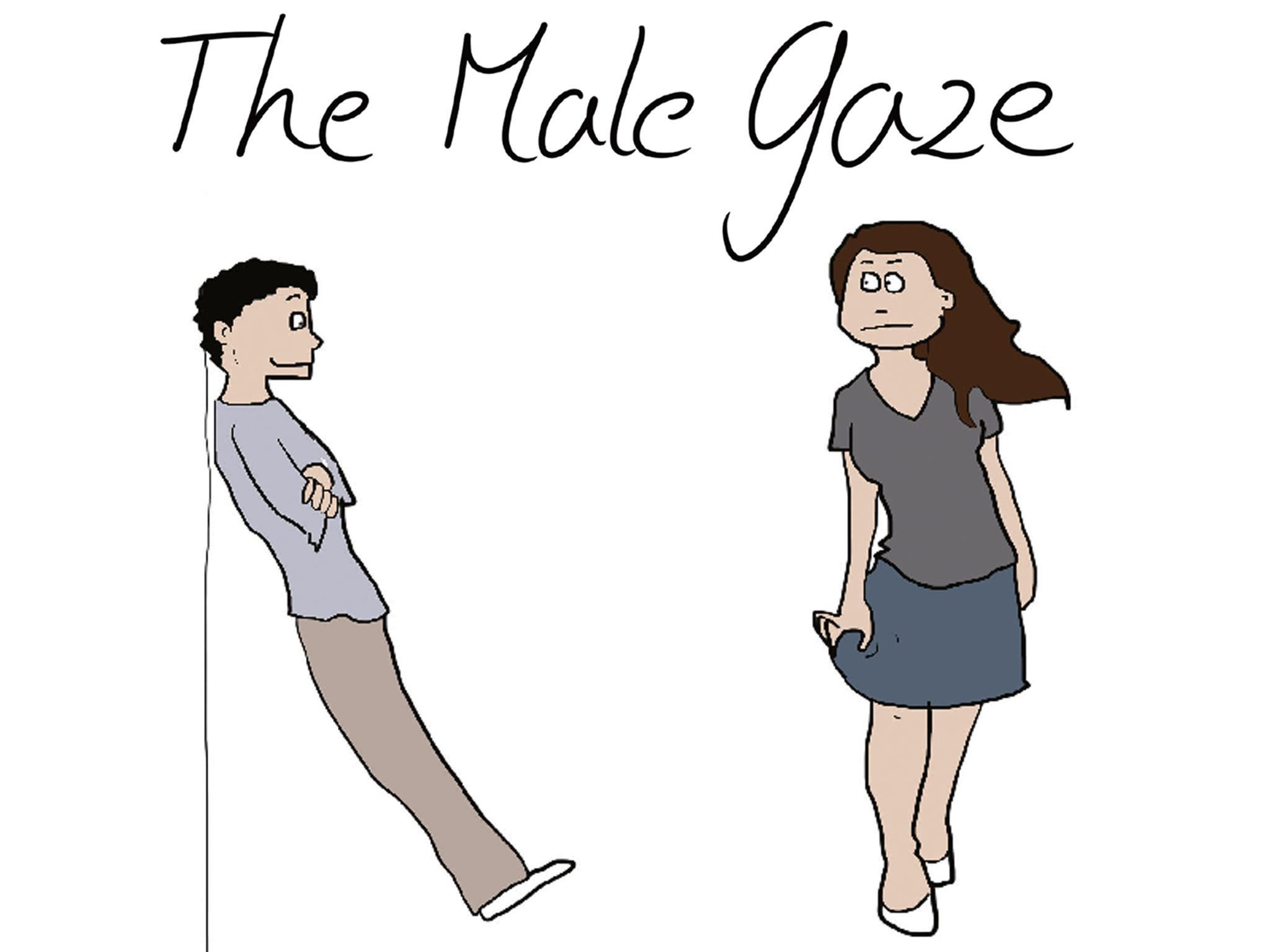
The term “male gaze” comes from film theorist Laura Mulvey (1975). She argued that many films were made from a straight male point of view, and this shaped how women were shown on screen. Her idea is still important today for understanding how media represents gender and power.
The male gaze means that women are often treated as objects of observation rather than as complete individuals with independent thoughts and goals. For example, most programs may focus more on women’s bodies than on their actions or personalities. Sometimes, female characters exist merely to highlight the attractiveness of male characters or to attract viewers as a selling point.
We see this phenomenon not only in movies and radio programs, but also in advertisements, music videos, video games, and social media. Platforms like Instagram and TikTok frequently repeat the same aesthetic standards—perfect skin, a slender figure, and sexy poses. Some games also emphasize designing female characters to be more sexually appealing. Researchers say that these images can create pressure for women to match these unrealistic ideas of femininity (Gill, 2007).
The male gaze also influences the way stories are told. Specifically, female characters may have less screen time or be primarily portrayed as objects of love, lacking independent personalities and thus becoming appendages to the male protagonist. This limits the types of stories we see and reinforces the idea that female value stems from appearance.
But the media is changing. Some films and creators are attempting to challenge the male gaze in favor of what’s known as the “female gaze.” This style focuses more on characters’ emotions, relationships, and how they see the world, rather than just their appearance. Social media has also contributed to this shift, as it gives more female and non-binary creators the opportunity to share their stories in their own way.
Overall, the male gaze is still a helpful idea because it shows how media can shape the way people see women. By noticing when women are shown only as objects, we can better understand the messages we are receiving. This awareness also helps us support media that shows women as real, complex individuals, rather than just something to look at.
Reference List:
Mulvey, L. (1975). Visual Pleasure and Narrative Cinema. Screen, 16(3), 6–18.*
https://doi.org/10.1093/screen/16.3.6
Gill, R. (2007). Postfeminist Media Culture: Elements of a Sensibility. European Journal of Cultural Studies, 10(2), 147–166.*
https://doi.org/10.1177/1367549407075898


The male gaze is a social issue, and the media, influenced by society within it, in turn exerts a counter-effect on society, further exacerbating this situation. With the awakening of female consciousness, the media has also followed the trend and begun to shape different voices, which spread feminism and the meaning of resisting the male gaze. But I think there is no such thing as a “female gaze”. In contrast to a “male gaze”, a “female gaze” should be sexualized, belittled, romanticized and look down upon men. But what women nowadays pursue is merely not being gendered. This is defending our due rights, rather than oppressing others in return. The current social environment is also hard to tolerate the so-called “female gaze”.