
The male gaze is a feminist theory which describes how the media often portrays women in more of a sexual light and is primarily made for a masculine and heterosexual perspective and for the pleasure of a male viewer. And the more modern term of ‘the male gaze’ originated from the British feminist Laura Mulvey and in her essay which she published in 1975 “Visual Pleasure and Narrative Cinema”. She brings in the theory by analysing how Hollywood films are structured more for the viewing pleasure of a heterosexual man. And it makes women out to be just a sexual object for a man’s desire.
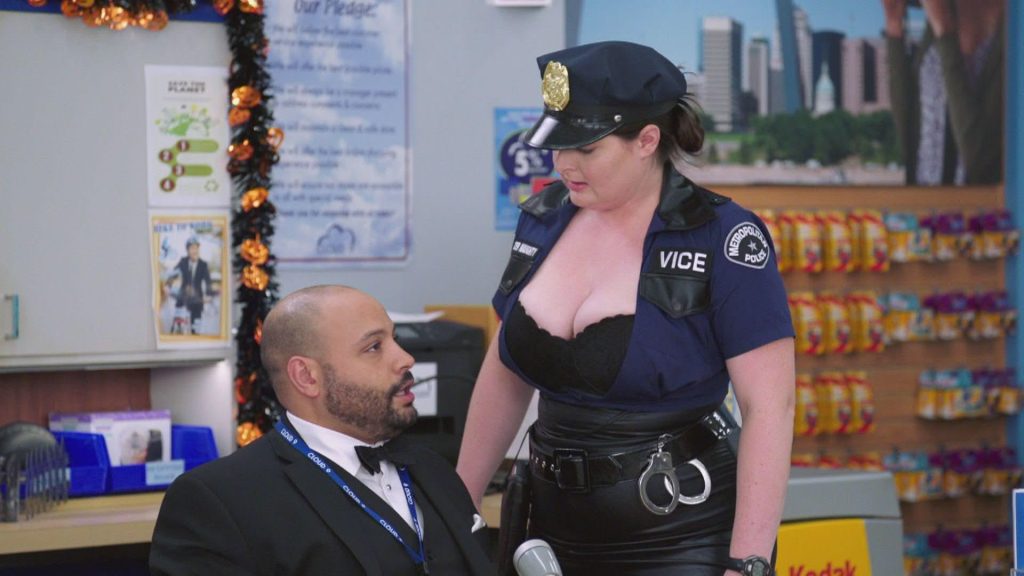
With the theory of the male gaze and how it is primarily focused on the female figure and how women can be sexualised for the heterosexual male pleasure. An example of the use of the male gaze in this way is from one TV show ‘Super Store’. In episode 7 season 2 titled ‘Halloween Theft’, the character of Dina Fox who is the assistant manager of Cloud 9 and is peer pressured by her co-workers into wearing a halloween costume and after being told that she can spend the whole day with the character Sandra who dressed up as Dina for Halloween. Which makes Dina then and go off to find a Halloween costume and she grabs the first one she finds which turns out to be a sexy police officer outfit and for the rest of the episode she has it on and it keeps distracting the other employees from doing their jobs as they all keep looking at her ‘massive breasts’ and specifically one of the employees, Garrett can’t focus on doing the store announcements as he keeps getting distracted by Dina’s boobs and he says ‘my caveman brain says, hey man boobs’ which heavily uses the male gaze but also makes it into a joke in a way how Garrett knows how wired Dina is but his primal or caveman brain is just telling him that hey there are boobs in front of you do something.
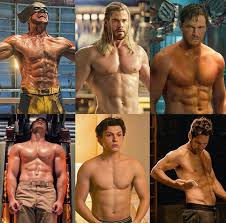
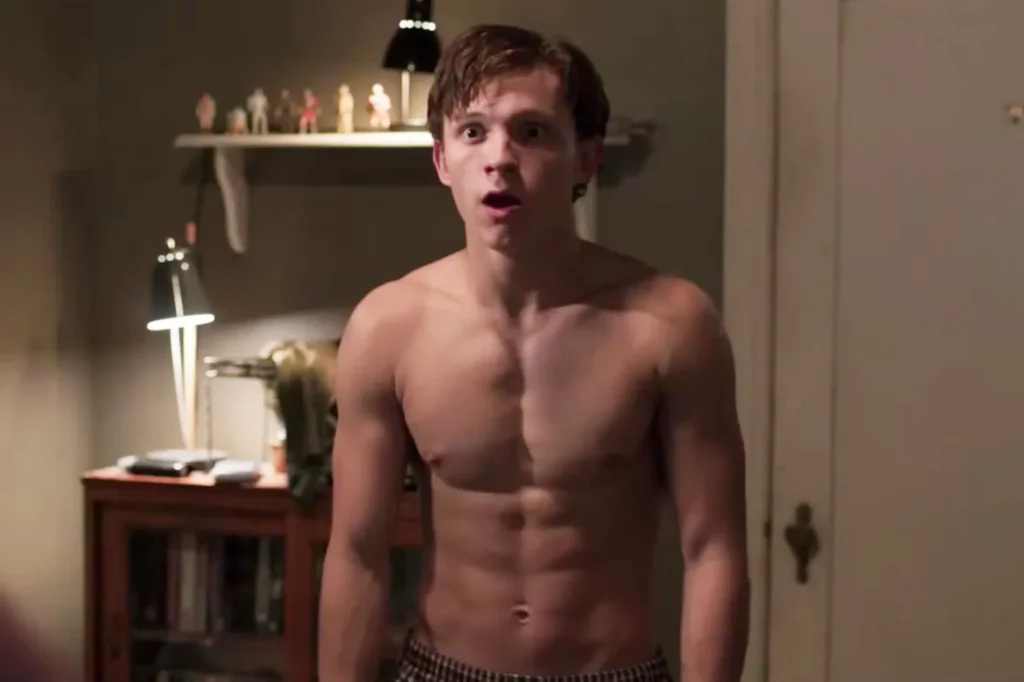
But the male gaze can also focus on the male form as well. And this is done mainly in super hero movies where one of the main characters takes off their shirt to reveal that they have a six pack which draws in the audience both male and female but for men watching movies with this in them like marvel movies, it makes them think about their own body and how they would like a six pack as every super hero that men have made and admired for years have six packs and it makes men want one to make them feel better and to look like their super hero ideals.


This post is such a thoughtful, engaging take on expanding the male gaze conversation—great job using a specific Superstore example to ground the theory! It’s really smart to push beyond the “female figure” focus, which adds so much depth. A small suggestion: you could briefly link Garrett’s “caveman brain” line to how media normalizes that gaze to strengthen the analysis. Super insightful work!
This blog gives a clear and interesting introduction to the idea of the male gaze. It explains Laura Mulvey’s theory well and uses a TV show example to help readers understand how women are often shown in a sexualised way in media. The blog also makes a good point that the male gaze can affect men too, especially in superhero movies where male bodies are shown as “perfect.”
To improve the post, you could make the structure clearer. Some parts tell the story of the TV episode in too much detail, which leaves less space for analysis. Focusing more on why the scene shows the male gaze, instead of what happens in the plot, would make the argument stronger. Using more neutral and simple academic language in some places would also help. Overall, it is a thoughtful and accessible blog that could be even better with clearer organisation and more focused explanation.
I really liked this analysis. It’s both fascinating and very clear about how the male gaze works in modern media. You didn’t just stop at the objectification of women, but showed how this concept also influences the way men present themselves. The example with Dina and Garrett spot on. It showed how the male gaze appears not only in sexualised scenes, but also in those small, everyday moments that we’ve all seen in a TV series and thought “uh… yeah, that definitely sounds like something that would happen.”
Your thoughts on superhero movies are also really accurate in my opinion. We’re so used to these unrealistically sculpted bodies that we don’t even think about how they shape our expectations. I liked that you questioned something that we take for granted, even though it really isn’t.
The post is easy to read and the concrete examples make the theoretical ideas much more accessible. I honestly do think that this is a well-executed piece of work.