
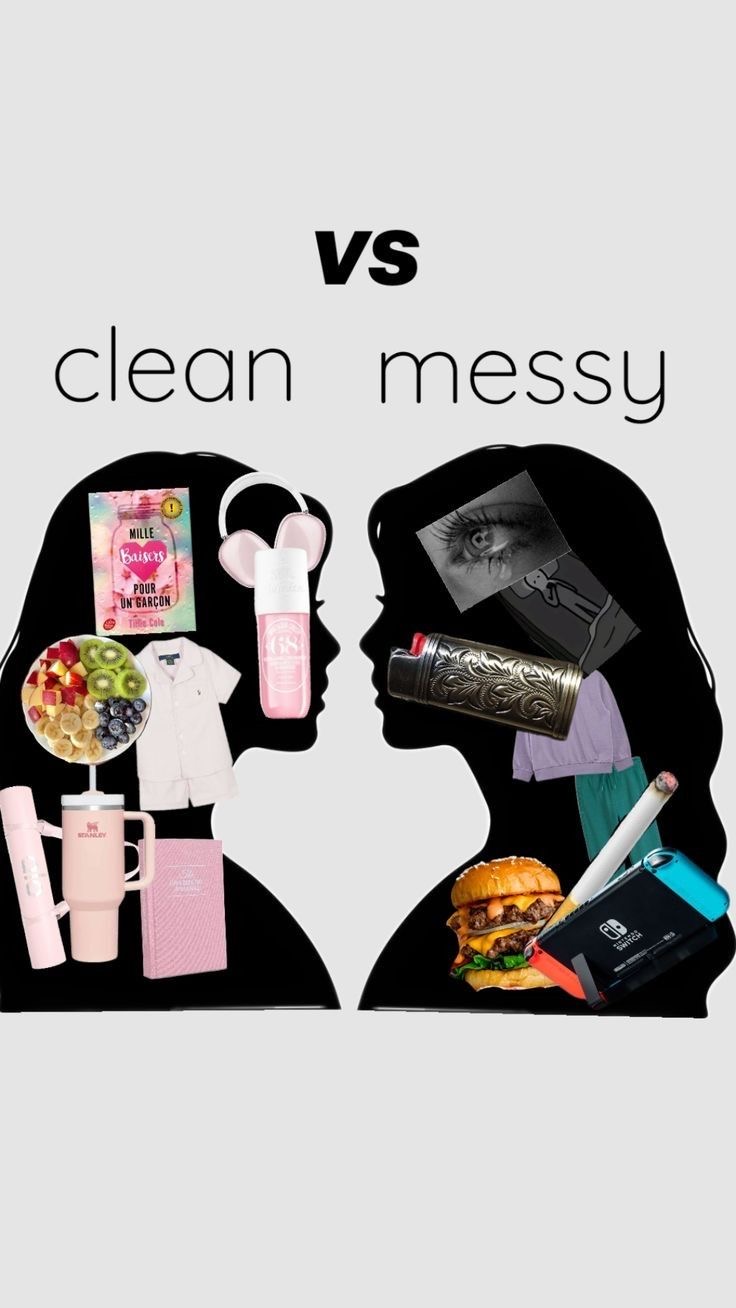
One of the biggest aesthetic shifts on TikTok and Instagram recently is the move from the “clean girl” look which is presented in slick buns, glowy skin, neutrals and curated minimalism, to the “messy girl” aesthetic, which is represented in undone hair, smudged eyeliner, oversized hoodies, and an intentionally imperfect vibe. These aren’t just fashion or beauty trends but they’re more of cultural messages. The encoding and decoding model (Stuart Hall) helps interpret these two competing aesthetics.
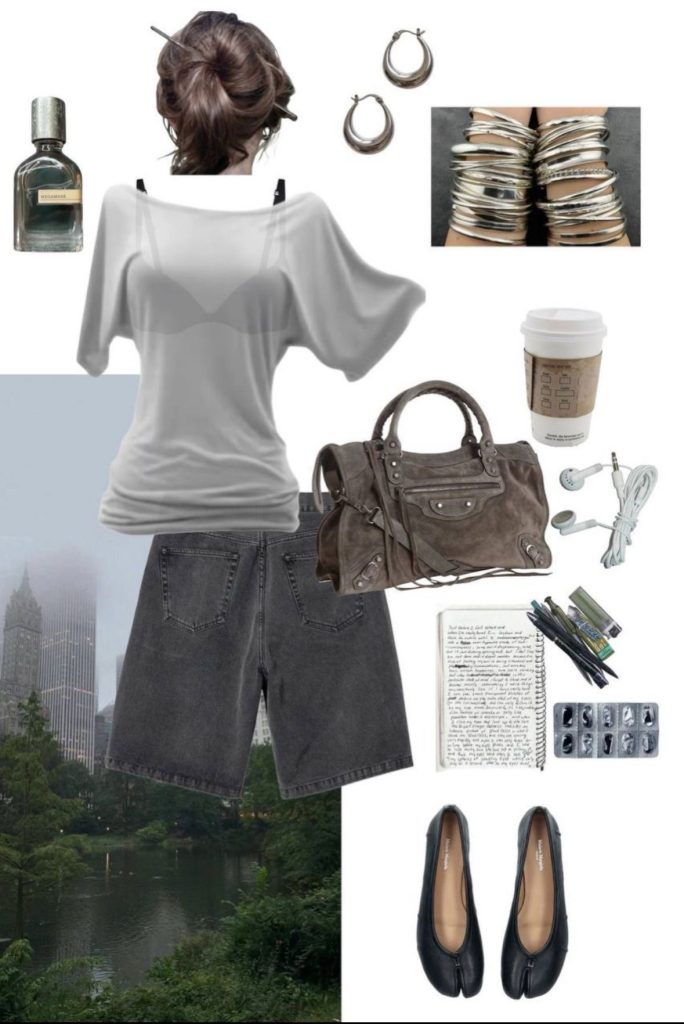
According to Hall (1973), producers encode meanings into media messages using distinct signs and symbols. The clean girl aesthetic encodes a lifestyle of control, discipline, wellness, and minimalism – glazed skin, slick hair, monochrome outfits. The messy girl aesthetic encodes almost the exact opposite – rawness, emotional honesty, freedom, and a rejection of curated perfection. This article from the Nargis Magazine sums it up: “The clean girl era is over – welcome to the messy girl trend.”
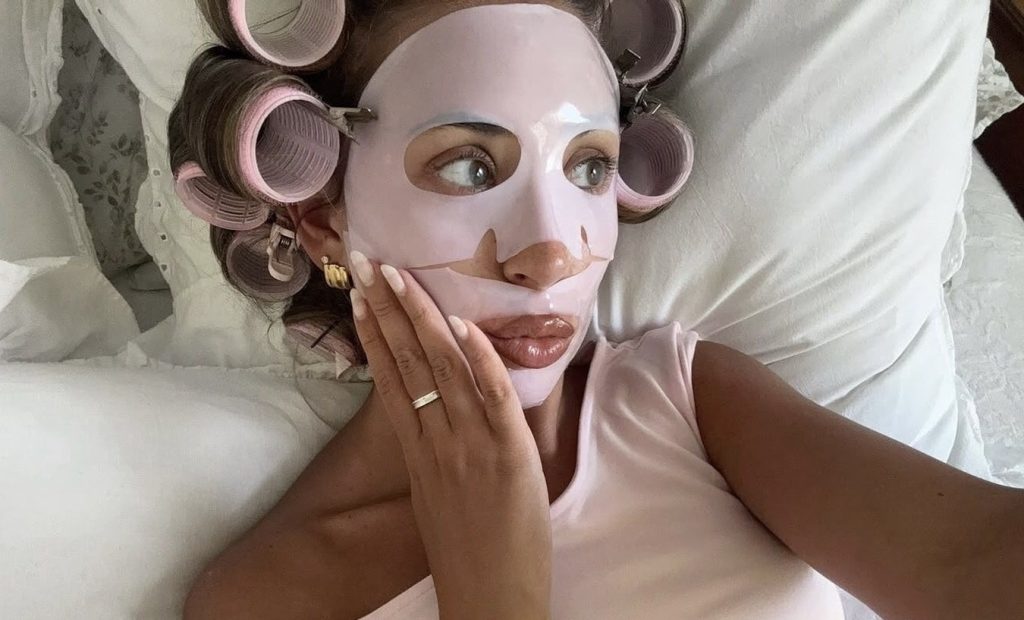
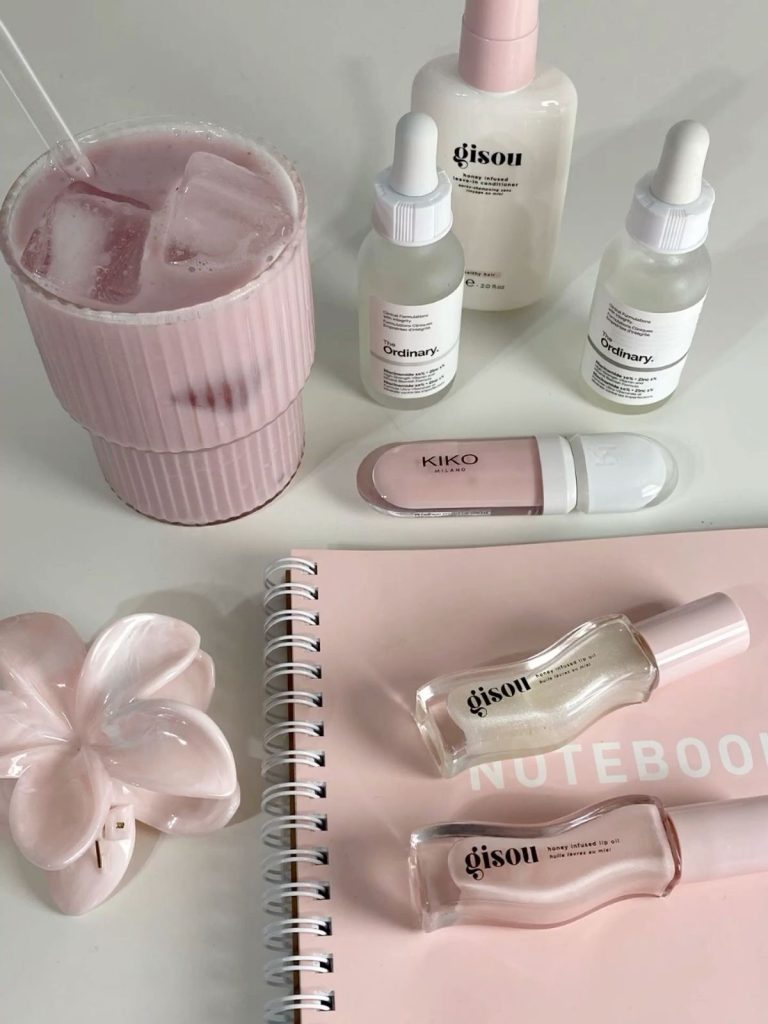
But once the message reaches audiences, decoding becomes far more complex.
Some people decode the clean girl aesthetic exactly as intended. They see it as aspirational, a route to being calmer and more put-together. For them, the messy girl aesthetic is also read in its dominant sense as refreshingly real, fun, expressive, a breath of fresh air after minimalism. They decode it as “freedom from perfection.”
Others decode these looks in a negotiated way. They might like the clean girl aesthetic but recognise that it depends on expensive skincare, time, curated content. They might like the messy girl aesthetic too, but still see how it’s become another curated look, another trend. The article also points out that the messy girl trend is popular because it seemingly rejects perfection, yet it still has aesthetic rules. These audiences accept the aesthetic but are aware of the underlying consumerism and performativity.
Some decode both looks in an oppositional way. They view the clean girl aesthetic as enforcing narrow beauty standards, minimalism that hides labour and privilege. They see the messy girl aesthetic as just another trend pretending to be authentic, or a way to commodify imperfection. They reject the encoded messages entirely, seeing them as part of social media’s cycle of reinvention and consumption.
Looking at these aesthetics through Hall’s model shows they’re not just styles but that they’re cultural messages about identity, beauty, lifestyle. Clean girl encodes control while messy girl encodes freedom. The meanings people take from them depend on their backgrounds, values, and social conditions.
The messy girl trend didn’t appear by accident — TikTok amplifies whatever gains rapid engagement, meaning the decoding of the clean girl aesthetic directly influenced the production of the next trend. As Hall and the Birmingham School emphasised, meaning isn’t fixed inside the media message — it’s produced in the interaction between message and audience. The clean vs messy girl shift visualises this process in real time.

References:
Hall, S. (1973). Encoding and Decoding in the Television Discourse. Birmingham: CCCS.
“From Clean Girl to Messy Girl: Why Beauty’s Latest Era Is Embracing Imperfection.” (2025) Nargis Magazine. Available at: https://nargismagazine.az/en/articles/from-clean-girl-to-messy-girl-why-beautys-latest-era-is-embracing-imperfection/
Image 1: Available at: https://pin.it/3w2qPKEBN
Image 2: Available at: https://pin.it/7HI5vvHmd
Image 3: Available at: https://pin.it/6uE9UQSSp


This blog offers a clear and insightful application of Stuart Hall’s encoding/decoding model to a contemporary social-media trend. It successfully moves beyond describing the “clean girl” and “messy girl” aesthetics as surface-level styles, instead framing them as cultural messages about control, freedom, identity, and femininity. The discussion of dominant, negotiated, and oppositional readings is especially strong, showing how audiences with different backgrounds may embrace, question, or reject the encoded meanings. The inclusion of contrasting images further strengthens the analysis by visually illustrating the symbolic differences between the two aesthetics.
My suggestion is, the author could expand the semiotic reading of the images themselves—examining details such as color, texture, and posture—to demonstrate how visual elements construct meaning. The article could also benefit from a deeper critique of platform logic, exploring how TikTok monetizes both perfection and “imperfection,” often turning resistance into another marketable trend. Overall, this is a thoughtful and well-structured piece that effectively connects media theory with current digital culture while leaving room for richer visual and socio-economic analysis.
I think your evaluation of the change in girls’ lifestyles makes a lot of sense. The shift from being clean to messy represents a change in the trend of The Times. However, different groups will have different reactions. Maybe some of the clean girls in the past will insist on self-criticizing the trend, while others will lose the trend and change their styles